
In the realm of healthcare, there exists a world often overshadowed by more visible ailments. Today, we turn our focus to the often-overlooked domain of invisible health conditions, with a special emphasis on low thyroid and Hashimoto's thyroiditis. These conditions, despite their profound impact on our lives, remain largely unrecognized within the healthcare system. This exploration aims to unveil the hidden challenges faced by those dealing with these conditions, shedding light on their experiences and the journey to recognition and wellness.

january 19, 2024
The journey of those of us with invisible health conditions can be profoundly disheartening. Often, suffering is dismissed due to "normal" lab results, leaving us to endure frustration and disillusionment. We grapple with managing our health while seeking validation and understanding from a healthcare system that may label us as hypochondriacs.
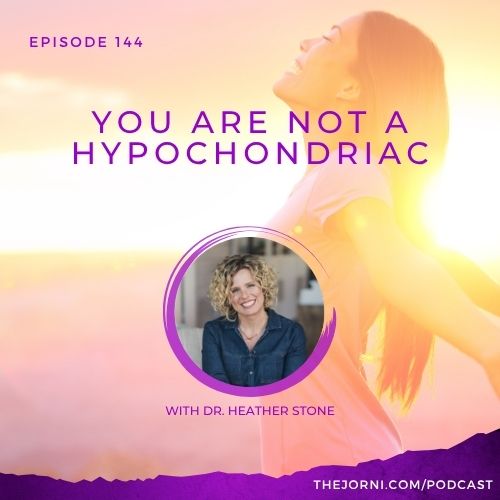
Episode 144 - You are not a Hypochondriac with Dr. Heather Stone
For those affected by invisible health conditions, like Hashimoto's, validation becomes a crucial lifeline.
It's imperative to recognize these experiences and struggles, emphasizing that the pain is real, even if it's not immediately visible. Additionally, advocacy takes center stage as we strive to have our voices heard and our conditions acknowledged within a healthcare system that can be dismissive.
Dr. Heather Stone stands as a pioneering figure in the realm of functional medicine.
With an impressive track record spanning over two decades in private practice, she has been a guiding light for thousands of women battling the challenges of hypothyroidism and Hashimoto's thyroiditis. At the core of Dr. Stone’s success lies her renowned “Thyroid Transformation Blueprint”, a groundbreaking approach that serves as a beacon of hope for healthcare professionals.

Dr. Stone's commitment to transforming healthcare extends far beyond her private practice, as she actively disseminates knowledge through her books, masterclasses, webinars, education programs, and immersive retreats hosted on her ranch in the heart of Texas. Her mission is nothing short of revolutionizing the healthcare landscape, one empowered individual at a time.
In the midst of our daily lives, subtle signals from our bodies can often go unnoticed.
Yet, for those of us with Hashimoto's or other thyroid problems, these seemingly insignificant signs can hold vital clues to our health. It's essential to be attuned to these signals as they may prompt timely intervention and support on our wellness journey.
One of the most common indicators of thyroid dysfunction is a persistent sense of fatigue that lingers throughout the day, despite sufficient rest. We may find ourselves struggling to summon the energy needed to complete routine tasks. This relentless fatigue can affect work performance, personal relationships, and overall quality of life.
Thyroid problems can lead to significant fluctuations in weight, often without any notable changes in dietary habits or physical activity. Unexplained weight gain or loss may be an early sign of thyroid dysfunction. Additionally, alterations in appetite, such as an insatiable hunger or a sudden loss of interest in food, can also be indicative of thyroid issues.
Thyroid imbalances can exert a profound influence on emotional wellbeing.
We may notice heightened mood swings, increased irritability, or unexplained anxiety and depression. These emotional fluctuations can disrupt daily life and strain personal relationships.
Changes in the appearance and texture of hair, skin, and nails can also signal thyroid problems. Individuals may experience brittle nails, hair loss, or dry, flaky skin. These external manifestations can serve as visible reminders of underlying thyroid issues.
Thyroid dysfunction can affect the body's ability to regulate temperature. For those of us with thyroid problems, we may find ourselves unusually sensitive to cold temperatures, experiencing persistent chills or an intolerance to cold environments.
Being attuned to these signs in our everyday life can be instrumental in identifying potential thyroid problems early on.
If we notice these subtle yet persistent changes, it's advisable to consult with a healthcare professional for a comprehensive evaluation and appropriate guidance on our path to wellness.
The journey of individuals battling invisible health conditions is fraught with frustration and emotional turmoil. Unlike more conspicuous ailments, these conditions often remain hidden from plain sight, making them challenging to diagnose and treat effectively. The frustration stems from the fact that, despite their debilitating nature, these conditions may not register on standard medical tests, leading to a lack of validation for those of us suffering from them.
Living with invisible health conditions takes a significant toll, both emotionally and physically.
The absence of outward symptoms can lead to self-doubt and questioning of our experience. As we grapple with symptoms that others cannot see, we often find ourselves isolated, struggling to convey the severity of our condition to friends, family, and even healthcare professionals. This emotional burden compounds the physical challenges we face, creating a complex and often disheartening dynamic.
A critical aspect of this disheartening journey is the relentless pursuit of validation and understanding. When we have an invisible health condition, we yearn for recognition that the pain is real, even if it doesn't manifest visibly. This need for validation drives us to seek answers and support from the healthcare system, which, unfortunately, may at times dismiss these concerns as hypochondria.
Knowledge is a potent tool that empowers us to take control of our health journey.
In the context of invisible health conditions like low thyroid and Hashimoto's thyroiditis, acquiring a deep understanding of these complex conditions becomes paramount.
Gaining a comprehensive understanding of invisible health conditions is the first step towards empowerment. By demystifying these complexities, we can navigate our health challenges with greater clarity and purpose.
Knowledge not only informs but also equips us to become advocates for our own health. Armed with information about our conditions, treatment options, and potential lifestyle modifications, we can engage with healthcare professionals as informed partners in our care.
In addition to traditional medical treatments, knowledge opens the door to exploring alternative paths to wellness.
By considering a holistic framework, we can tailor our health strategies to align with our unique needs and preferences, further enhancing the sense of empowerment on our wellness journey.
When we are grappling with invisible health conditions like low thyroid and Hashimoto's thyroiditis, navigating the healthcare system can be a daunting task. The challenges of seeking validation, understanding, and effective treatment can feel overwhelming.
One of the most critical aspects of managing invisible health conditions is becoming our own advocate. Our voice matters, and it's essential to express our concerns, symptoms, and questions clearly to our healthcare providers. Keep a journal of symptoms, their severity, and how they impact daily life. This documentation can serve as a valuable resource during medical appointments, helping healthcare professionals better understand our experience.
Knowledge is a powerful tool in our journey towards recognition and wellness.
Take the time to educate yourself about the condition, treatment options, and potential lifestyle modifications. Reliable sources, reputable medical websites, and patient advocacy organizations can provide valuable information. Armed with knowledge, we can engage in more informed discussions with our healthcare team.
This journey doesn’t have to be navigated alone. Building a support network of friends, family, or online communities can provide emotional support and a sense of validation. Sharing experiences with others who understand our challenges can be immensely beneficial. Additionally, consider joining patient advocacy groups or organizations dedicated to our specific condition, like the Hashimoto's Thyroiditis & Autoimmune Support Group, for access to resources and advocacy opportunities.
Persistence is key when dealing with invisible health conditions.
The road to recognition and effective treatment may have its ups and downs. There may be moments of frustration or setbacks, but staying persistent in advocating for our health is crucial. Remember that you are not alone, and there are resources and support available to help us navigate the challenges posed by invisible health conditions.
Our journey through the often-misunderstood realm of invisible health conditions, specifically low thyroid and Hashimoto's thyroiditis, highlights the urgent need for heightened awareness and empathy within our healthcare system. These conditions, hidden yet impactful, remind us of the importance of listening to our bodies and advocating for our health. By understanding and recognizing these conditions, we can foster a more inclusive and responsive healthcare environment.
Our collective effort to shed light on these invisible health struggles marks a pivotal step towards a more understanding and supportive society.
We must continue to educate ourselves and others, advocate for better healthcare practices, and build strong support networks. This commitment not only aids those currently suffering but also paves the way for future generations to receive the care and recognition they need and deserve.
By empowering ourselves with knowledge, advocating for our needs, and supporting each other, we can transform our challenges into opportunities for growth and wellness. Together, we can break the barriers of invisibility and pave the path towards a more compassionate and health-conscious world.

By Petra Brunnbauer
Petra Brunnbauer is a Neurohumanetics Synergist, founder of The Jōrni, and host of the globally-ranked Jōrni Podcast. With a Master’s in Psychology and over a decade of working with the nervous system, Petra is committed to advancing Neurohumanetics as a holistic approach to how we live and thrive.